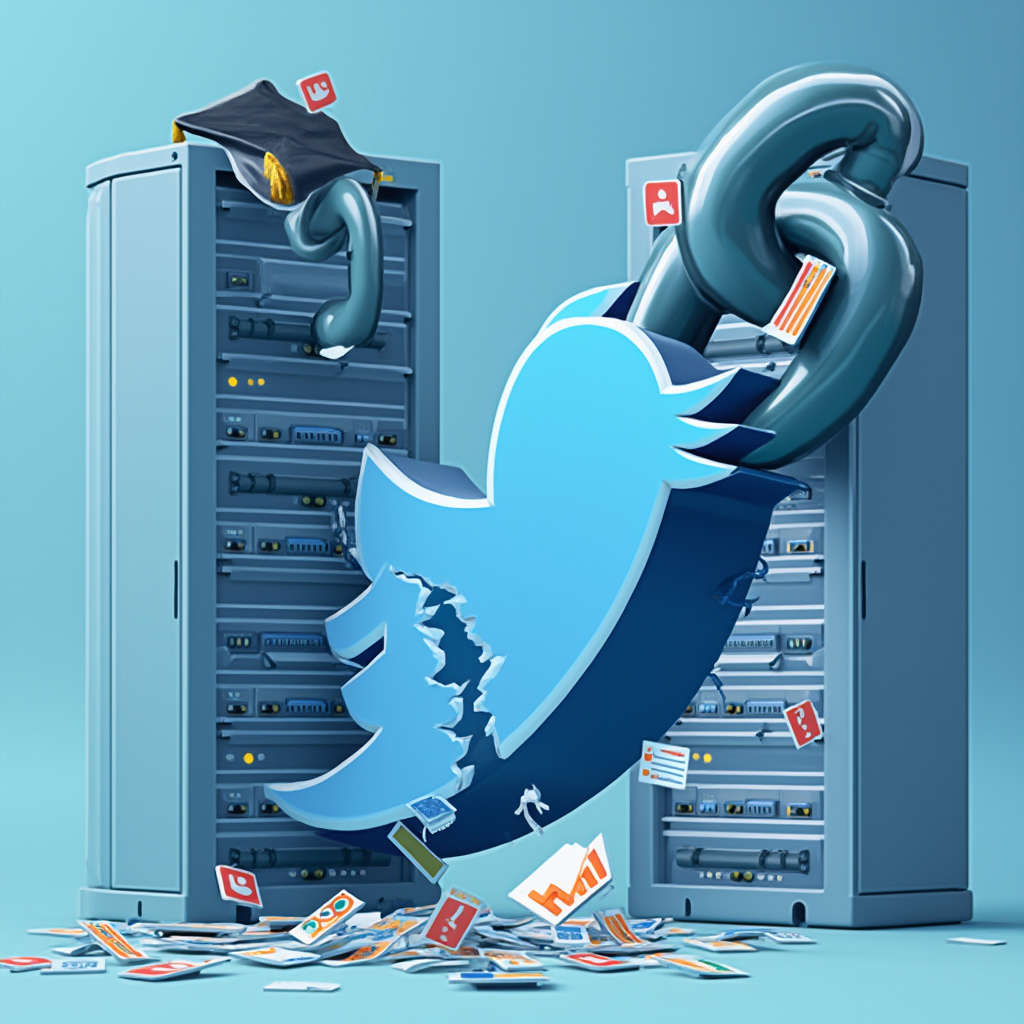
Elon Musk's Twitter API overhaul is more than a price increase; it's an extinction event for third-party apps and a crisis for academic research. Here’s what’s being lost.
Beyond the Price Tag
The recent and dramatic restructuring of Twitter’s API (I’m sorry, I can’t seriously call the platform X) under its new ownership has sent shockwaves far beyond simple subscription price increases. While the cost for enterprises is now measured in tens of thousands of dollars per month, the broader implications are reshaping the platform’s ecosystem, stifling innovation, and creating significant barriers for academic and public interest work.
While social media management tools are feeling the pinch, the most profound impact is on third-party developers and researchers. Here’s a deeper look at the ripple effects.
The Impact of the Changes: A Ecosystem Under Pressure
1. Challenges for Third-Party Developers and Apps
The increased costs have created an existential crisis for many applications built around Twitter’s data. The modest $100/month Basic tier is often insufficient for any application with meaningful user traffic, while the Pro and Enterprise tiers are financially out of reach for all but the largest companies.
The result is a stark choice:
- Shut Down: Many beloved third-party apps, particularly those focused on alternative Twitter experiences or analytics, have simply closed their doors. The developer of the popular `Tweetbot` app stated the new pricing made it “impossible to continue.”
- Remove Integration: Numerous other tools and services have made the calculated decision to completely remove their X/Twitter integration. This degrades their product’s functionality but allows them to survive without absorbing unsustainable costs.
- Pass on the Costs: Some services have begun passing these costs directly to their users through significant subscription price hikes, making powerful social media tools a luxury for many small businesses and individual creators.
2. Impact on Research and Public Interest Projects
One of the most significant casualties of this change has been the academic and research community. For years, researchers relied on free or low-cost API access to study disinformation networks, track the spread of public health information, analyse political trends, and monitor natural disasters in real-time.
The new pricing model has:
- Halted Critical Projects: Many university-led research projects, which operate on limited grants and budgets, have been forced to shut down entirely. Studies on global communication patterns and civic engagement have hit a wall.
- Created an Equity Issue: Well-funded corporate research can continue, while public interest and academic research are effectively priced out, creating a significant data gap in our understanding of societal trends.
- Damaged Trust: Tools like Botometer, designed to identify inauthentic accounts, have lost access, hindering the fight against disinformation.
3. Search for Alternative Data Collection Methods
Faced with prohibitive costs, organisations are being forced to explore riskier and more complex methods.
- Web Scraping: Some are turning to web scraping—programmatically collecting data from public Twitter profiles. However, this method is:
- Technically Complex: It requires building and maintaining custom scripts.
- Fragile: A single change to Twitter’s website layout can break the entire scraping operation.
- Legally Murky: It often violates Twitter’s Terms of Service, opening organisations up to potential legal action or IP bans.
This shift from a structured, reliable API to brittle workarounds represents a major step backwards in data reliability and accessibility.
4. Debate on Commercial vs. Non-Commercial Use
Twitter (X) has attempted to clarify the new rules by defining what constitutes commercial use. According to their guidelines, this includes:
- Commercial purposes: Anything related to revenue, advertising, or commercial gain.
- Non-Commercial use: “Non-commercial purposes such as non-commercial research, personal non-commercial projects, or non-commercial organisational use.”
The ambiguity in these definitions has caused confusion. Does a university research project funded by a grant count as “commercial”? What about a nonprofit monitoring human rights issues? This lack of clarity forces many legitimate projects into a costly commercial tier by default.
What This Means for Your Business
This ecosystem turmoil translates into real-world challenges for businesses:
- Fewer Tool Choices: The market of available, affordable social media management tools is shrinking.
- Reduced Innovation: The next great social media tool may never be built because the barrier to entry is now too high.
- Increased Costs: The tools that survive will likely be more expensive.
How BG Cyber Connect Can Help You Navigate the New Landscape
In a volatile digital environment, having a strategic technology partner is crucial. BGCC can help your business:
- Conduct a Social Media Tool Audit: We’ll analyse your current stack to identify vulnerabilities and recommend cost-effective, reliable alternatives unaffected by these API changes.
- Develop a Resilient Strategy: We help you diversify your social media presence and engagement tactics, so you’re never overly reliant on a single platform’s changing policies.
- Implement Secure Data Practices: If data analysis is critical for you, we can advise on compliant and efficient methods for gathering business insights.
Don’t let a sudden platform policy change disrupt your digital strategy.
📞 Schedule a free consultation to future-proof your social media operations:
Contact BGCC
The End of an Era
Twitter’s API changes represent more than a new revenue model; they signify the closure of a once-open platform. The vibrant ecosystem of apps and the invaluable work of researchers are becoming casualties of this new era, leaving us with a more centralised, less innovative, and less understood digital public square.